
Wellbeing, Resilience and Psychosocial Support

Status: Active

Safe relationships, supportive adults and pathways to appropriate care.

Purpose

To promote supportive environments for children and young people affected by stress, adversity, violence or displacement, and connect them to qualified services when specialist care is needed.

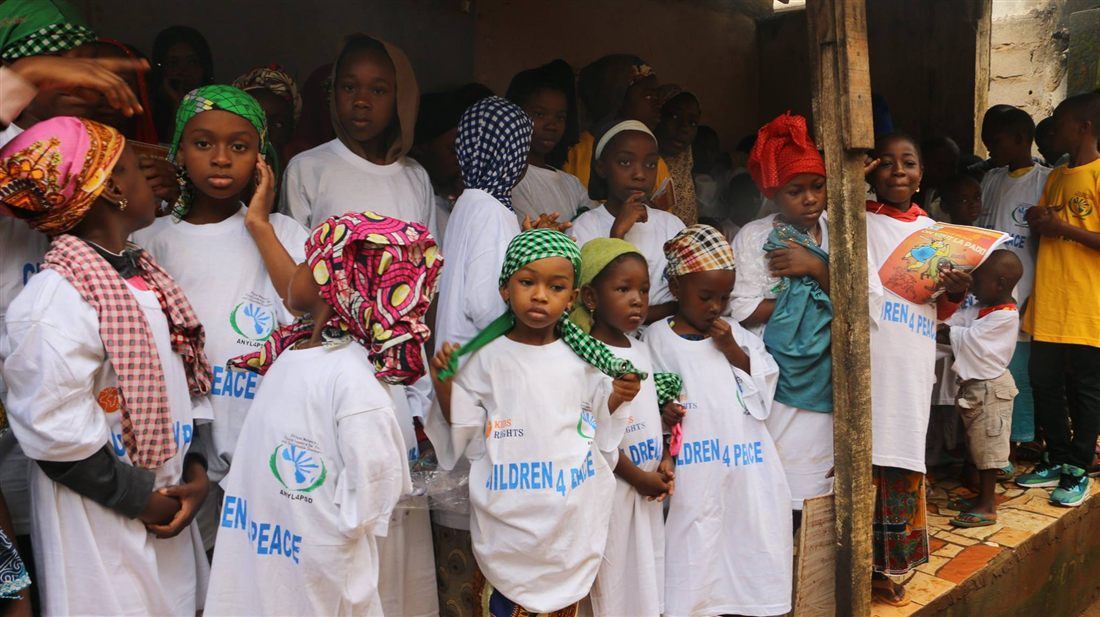
Children in white C4P t-shirts gathered indoors

The challenge

People affected by adversity may need stable routines, trusted relationships, social connection and professional support. Poorly designed activities can pressure participants to recount traumatic experiences or make unqualified staff appear to provide clinical treatment.

How C4P works

C4P uses supportive, non-clinical activities and child- and youth-friendly referral pathways. Clinical assessment, therapy and specialised mental-health care are delivered only by qualified providers. Participants are not required to disclose trauma.

Priority activities

  • Safe group activities that promote belonging, recreation and positive relationships.
  • Training for facilitators on supportive listening, boundaries and referral.
  • Caregiver engagement and positive-parenting information through appropriate partners.
  • Referral links to qualified psychosocial, health and protection services.
  • Wellbeing check-ins designed for age, culture and accessibility.
  • Activities that reduce stigma and promote help-seeking.
  • Staff and volunteer wellbeing and supervision.

What makes it distinctive

A “no forced disclosure” principle. C4P focuses on supportive environments, safe choices and access to qualified care rather than using trauma stories as programme content or publicity.

Who it serves

Children, adolescents and young people affected by stress, adversity, displacement, violence or exclusion, and the trusted adults around them.

Outcomes and indicators

Intended outcomes
  • Participants can identify trusted adults and support options.
  • Improved sense of belonging and emotional safety.
  • Facilitators recognise when a concern requires referral.
  • Qualified services receive appropriate referrals where available.
Illustrative indicators
  • Number of facilitators trained and supervised.
  • Participant-reported safety and belonging using age-appropriate methods.
  • Number of verified service agreements or referral contacts.
  • Percentage of referrals completed in line with protocol, where appropriate to track.
  • Number of activities reviewed for retraumatisation risk.

Strategic alignment

Agenda 2063 Aspirations 1, 4 and 6.

Safeguarding and quality requirements

Children and young people participate; adults remain responsible.

Read about our safeguarding commitments
  • Do not ask participants to tell trauma stories publicly or as a condition of support.
  • Urgent risk and clinical needs must be referred to qualified services under approved protocols.

Partner with Children for Peace

Responsible partnerships turn local ideas into lasting action.

Owner:
Programmes
Last reviewed:
14 October 2026
Next review:
14 April 2027

Newsletter

Updates from C4P. Adults only; we ask for your name and email.