Education, Life Skills and Youth Leadership

Status: Active

Learning, confidence and leadership for a more peaceful future.

Purpose

To strengthen access to life skills, learning opportunities and age-appropriate leadership experiences that support participation, resilience and future choices.

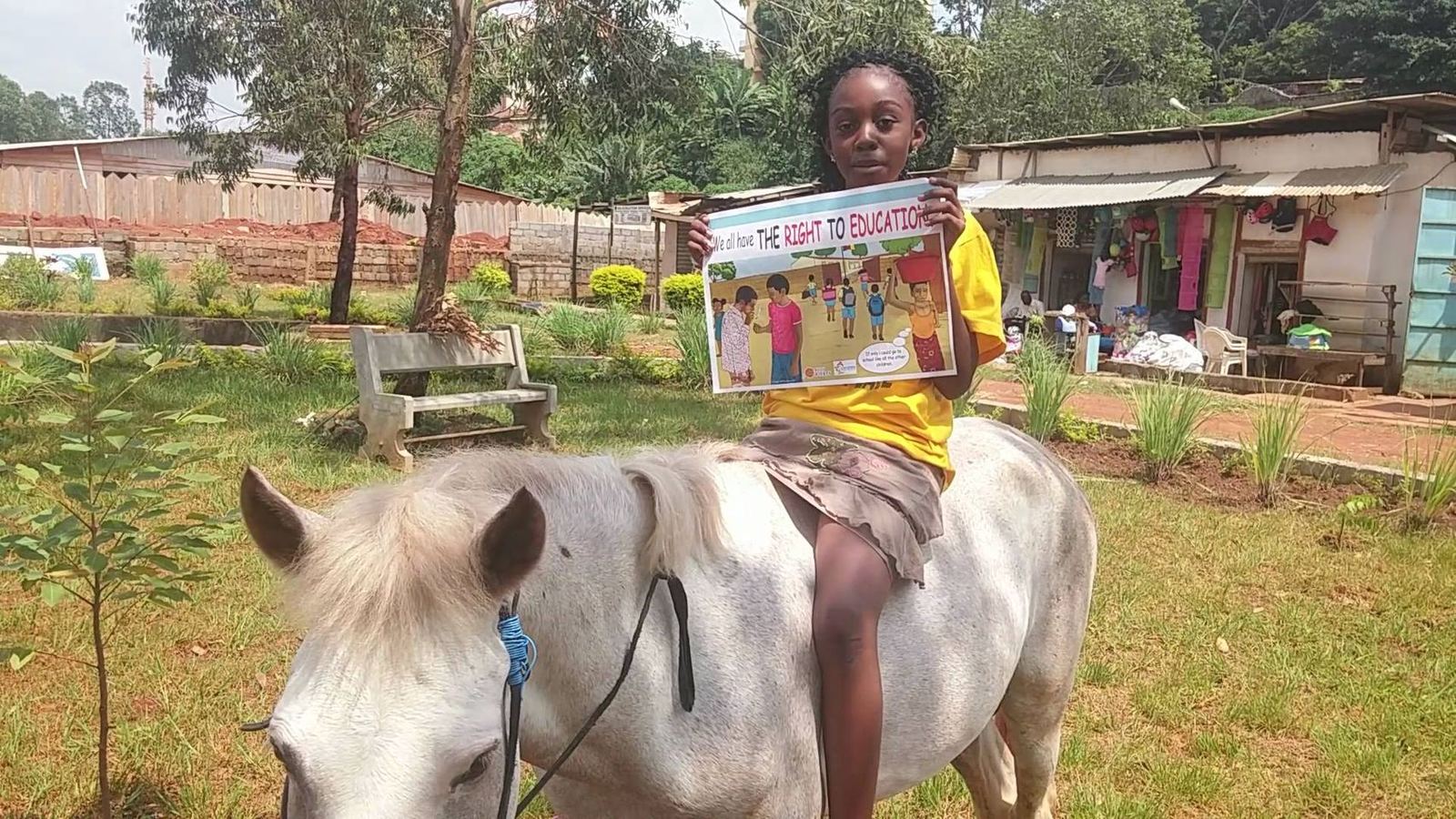
A young person holding a poster about the right to education

The challenge

Conflict, displacement, poverty, discrimination and disrupted schooling can interrupt education and limit confidence and opportunity. Leadership activities become tokenistic if young people are given titles without influence or support.

How C4P works

C4P works with education providers and local partners to support practical learning, life skills and inclusive participation. The programme complements formal education, is delivered in part through the Peace Academy, and refers specialised education needs to competent providers.

Priority activities

  • Life skills: communication, cooperation, problem-solving and decision-making.
  • School retention and re-engagement referrals with education actors.
  • Peer learning and mentoring with adult supervision.
  • Leadership and project-design workshops.
  • Digital and media literacy, including responsible online participation.
  • Girls’ participation and inclusion of young people with disabilities and displaced young people.

What makes it distinctive

C4P distinguishes leadership from exposure. Young people influence safe, age-appropriate decisions without being made responsible for fundraising, adult advocacy burdens or high-risk public representation.

Who it serves

School-age children, adolescents and young people, including those facing barriers to learning or participation.

Outcomes and indicators

Intended outcomes
  • Improved practical life skills and confidence.
  • Meaningful roles in shaping selected programme activities.
  • Partners strengthen inclusive learning and participation practices.
  • Participants connected to appropriate education or skills opportunities.
Illustrative indicators
  • Pre/post assessment of selected life skills.
  • School re-engagement or retention referrals completed.
  • Percentage of participant-designed activities with documented adult feedback.
  • Participation and outcome differences by gender, disability or displacement status, collected safely.
  • Participant-reported confidence and influence.

Strategic alignment

Agenda 2063 Aspirations 1 and 6; African Youth Charter; relevant child-rights and education commitments.

Safeguarding and quality requirements

Children and young people participate; adults remain responsible.

Read about our safeguarding commitments
  • Use age-appropriate materials and accessible formats.
  • Do not replace accredited schooling or make unsupported promises of scholarships or jobs.
  • Screen mentors and adult volunteers; provide clear boundaries and supervision.

Partner with Children for Peace

Responsible partnerships turn local ideas into lasting action.

Owner:
Programmes
Last reviewed:
14 October 2026
Next review:
14 April 2027

Newsletter

Updates from C4P. Adults only; we ask for your name and email.