Rights, Protection and Safe Referral

Status: Active

Every child and young person should know their rights – and know where to turn for help.

Purpose

To promote the rights of children and young people and improve safe access to protection services through age-appropriate awareness, trained adult response and verified referral pathways.

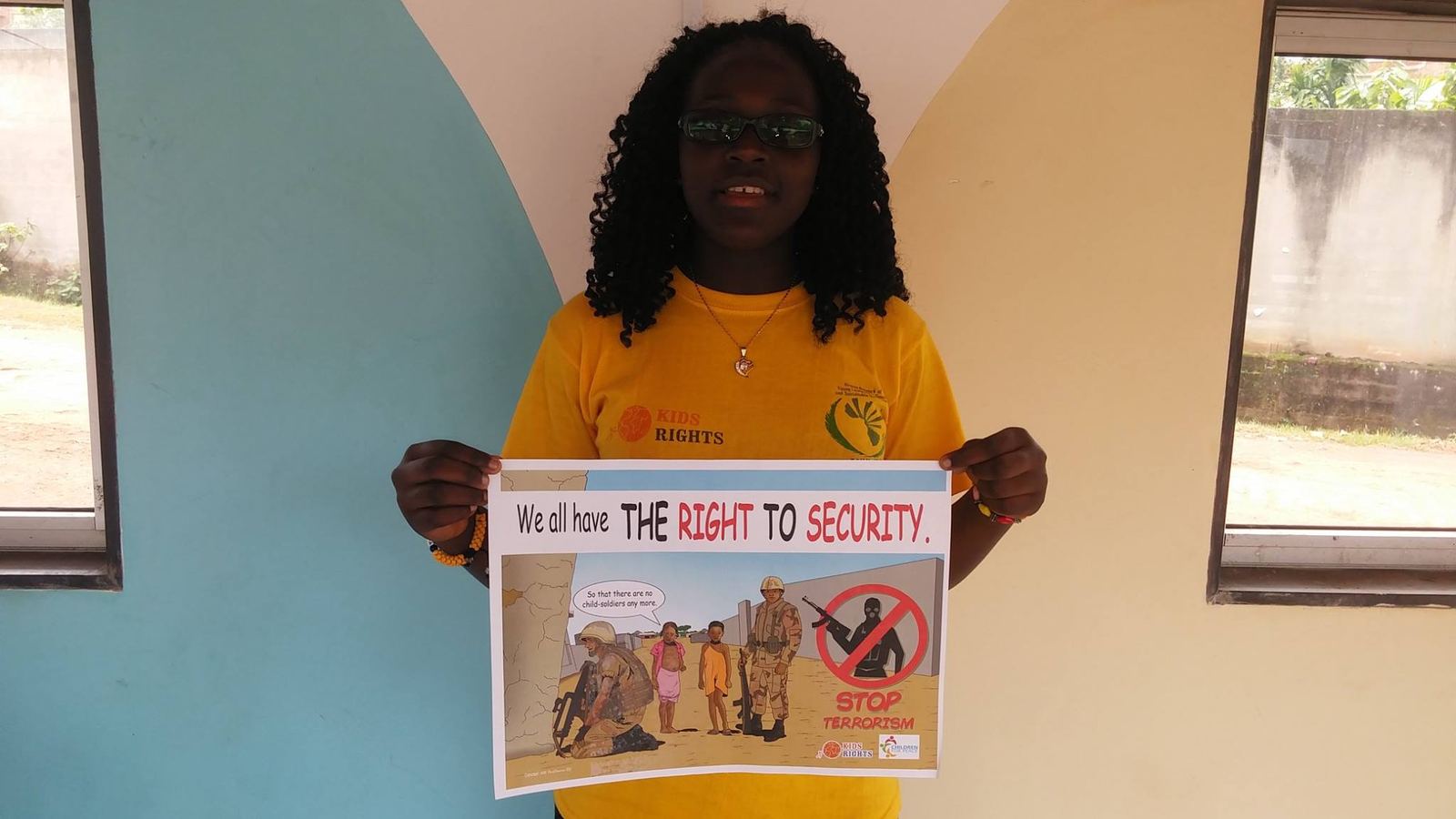
A young person holding a poster about the right to security

The challenge

Children and young people may face violence, exploitation, neglect, child marriage, trafficking, recruitment, family separation, online harm or discrimination. Awareness is not enough if safe, trusted referral options are unavailable or if disclosures are handled poorly.

How C4P works

C4P supports rights education and works with qualified protection actors, schools, social services and community organisations to establish or strengthen safe referral pathways. C4P provides specialist case management or legal services only where it has the authorisation, trained staff and capacity.

Priority activities

  • Age-appropriate information about rights and protection.
  • Training for adults on listening and responding safely to concerns.
  • Mapping and verification of local protection, health, psychosocial and legal services.
  • Referral protocols and designated safeguarding focal points.
  • Community dialogue on harmful practices and barriers to protection.
  • Accessible feedback and complaints mechanisms.
  • Coordination with authorities and specialist organisations where safe and appropriate.

What makes it distinctive

Referral quality is a core outcome: who receives a concern, how urgent risk is handled, what consent and confidentiality rules apply, and how follow-up occurs without exposing the child or young person to additional harm.

Who it serves

Children and young people at risk, caregivers, teachers, community organisations and frontline adults.

Outcomes and indicators

Intended outcomes
  • Better knowledge of rights and support options.
  • Adults respond to concerns more safely and appropriately.
  • Verified referral pathways are clearer and more functional.
  • Concerns handled according to agreed protocols and applicable law.
Illustrative indicators
  • Number of sites with current, verified referral maps.
  • Percentage of relevant staff and volunteers trained and assessed in safeguarding.
  • Percentage of referrals handled in line with protocol, where monitoring is safe and lawful.
  • Awareness of trusted adults and reporting options.
  • Time to initial response for urgent concerns, where safely tracked.

Strategic alignment

Agenda 2063 Aspirations 3, 4 and 6; UNCRC; African Charter on the Rights and Welfare of the Child.

Safeguarding and quality requirements

Children and young people participate; adults remain responsible.

Read about our safeguarding commitments
  • Adopt a child safeguarding policy, code of conduct, incident-reporting procedure and complaints mechanism before activities begin.
  • Do not collect case histories through general website forms or public social media.

Partner with Children for Peace

Responsible partnerships turn local ideas into lasting action.

Owner:
Programmes
Last reviewed:
14 October 2026
Next review:
14 April 2027

Newsletter

Updates from C4P. Adults only; we ask for your name and email.