Child- and Youth-Led Peacebuilding and Social Cohesion

Status: Active

Helping children and young people practise peace in everyday life – safely, meaningfully and together.

Purpose

To support children, adolescents and young people to develop the knowledge, relationships and practical skills that help prevent everyday violence, reduce prejudice and strengthen social cohesion in schools and communities.

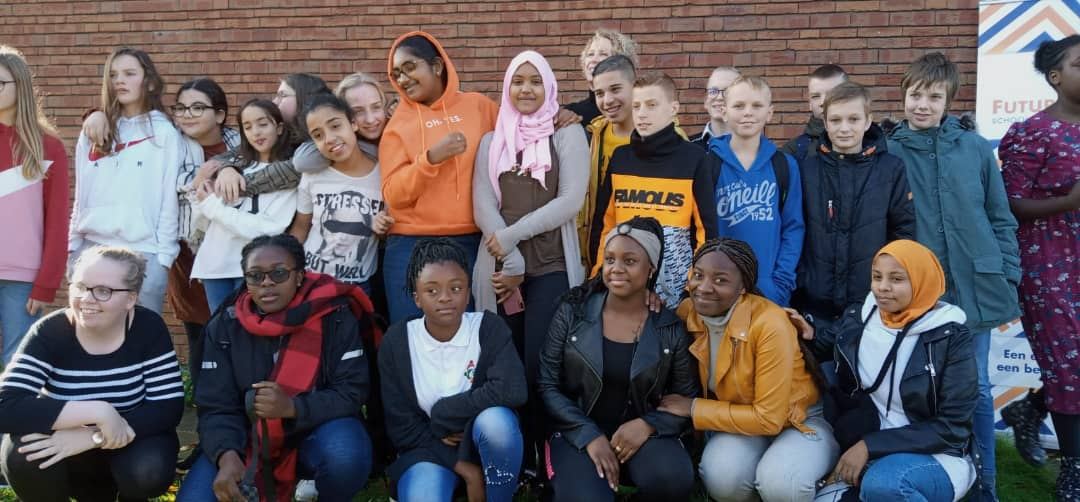
A group of smiling young people

The challenge

Children and young people may experience division, bullying, stigma, discrimination, displacement and conflict-related stress. They often have few safe opportunities to discuss these issues or contribute to solutions, while adult-led peace programmes may overlook their perspectives.

How C4P works

C4P supports age-appropriate peace education, child- and youth-friendly dialogue and supervised group activities. Children and young people may help design peace campaigns or peer activities, but trained adults remain responsible for risk management, protection and decisions involving safety.

Priority activities

  • Peace clubs and dialogue groups in schools, universities, youth centres and communities.
  • Activities building empathy, active listening, cooperation and non-violent communication.
  • Creative methods: storytelling, art, theatre, games, music and role-play.
  • Inclusion activities across social, cultural, linguistic or displacement-related divides.
  • Intergenerational dialogue involving caregivers, teachers and community leaders.
  • Training and mentoring for adult facilitators on participation and conflict sensitivity.
  • Small community peace actions selected by children and young people and screened for safety.

What makes it distinctive

An adult response commitment: facilitators record ideas raised, agree which actions are feasible and safe, and report back. C4P measures the quality of participation and changes in relationships – not just the number of events held.

Who it serves

Children, adolescents and young people in schools and communities, including those affected by conflict, displacement, exclusion or social tension.

Outcomes and indicators

Intended outcomes
  • Improved knowledge of peaceful communication and cooperation.
  • More inclusive peer relationships and safer ways to address disagreements.
  • Schools and partners adopt more child- and youth-responsive peace activities.
  • Participants can identify trusted adults and safe channels for raising concerns.
Illustrative indicators
  • Pre/post change in age-appropriate peace knowledge or skills.
  • Number of active peace clubs completing a safety-reviewed, participant-designed activity.
  • Participant-reported belonging and inclusion.
  • Percentage who say their views were listened to and responded to.
  • Number of facilitators demonstrating safe participation practice.

Strategic alignment

Agenda 2063 Aspiration 4 (peace and security) and Aspiration 6 (people-driven development); African Charter on the Rights and Welfare of the Child; UN Convention on the Rights of the Child; African Youth Charter; UN Security Council Resolutions 2250 and 2419 on youth, peace and security (where relevant to young people aged 18+ and older adolescents).

Safeguarding and quality requirements

Children and young people participate; adults remain responsible.

Read about our safeguarding commitments
  • Children and young people must never be tasked with approaching armed actors, investigating threats or mediating dangerous disputes.
  • Participation must be voluntary, age-appropriate and accessible.
  • Activities must be screened for conflict sensitivity, retaliation risks and unintended exposure.

Partner with Children for Peace

Responsible partnerships turn local ideas into lasting action.

Owner:
Programmes
Last reviewed:
14 October 2026
Next review:
14 April 2027

Newsletter

Updates from C4P. Adults only; we ask for your name and email.