Voices, Evidence and Policy Advocacy

Status: Active

Listen. Protect identities. Show how views influence decisions.

Purpose

To strengthen ethical participation in research, programme design and policy dialogue, and to translate the perspectives of children and young people into practical recommendations for adults and institutions. This programme is delivered through the Voice Studio and the Peace Observatory.

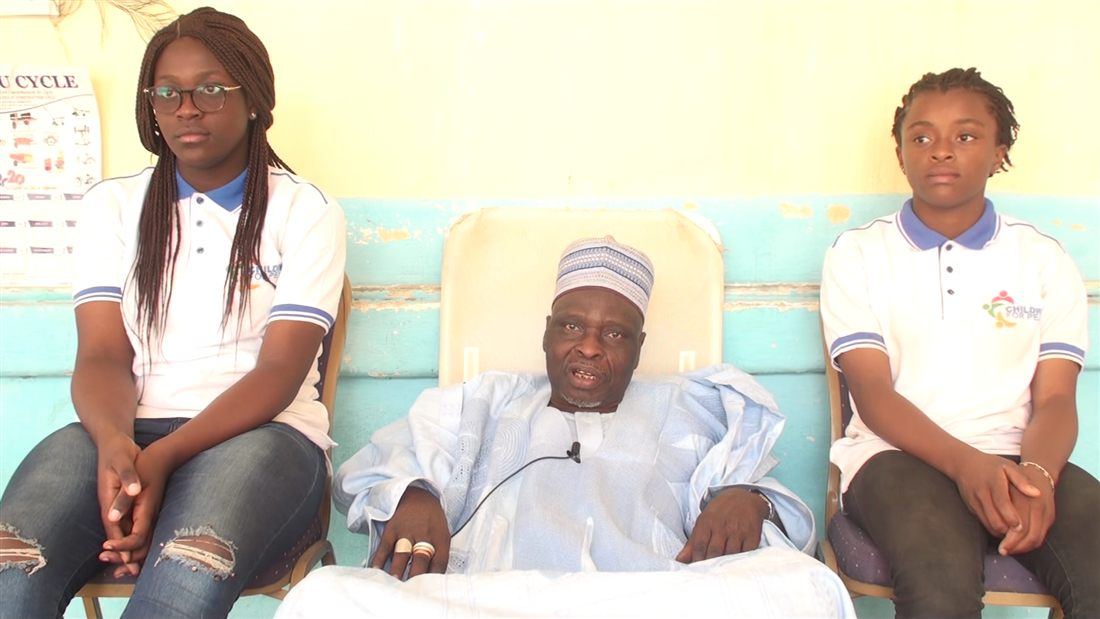
Two young people sitting with an elder at a meeting

The challenge

Children and young people are often consulted after decisions have been made, or their stories are used publicly without adequate protection. Research can create risks if it gathers sensitive data without a clear purpose or safe response plan.

How C4P works

C4P uses child- and youth-friendly consultation methods, informed consent and assent, safe facilitation, confidentiality safeguards and clear feedback loops. Advocacy is designed so that adults and institutions remain responsible for acting on concerns.

Priority activities

  • Consultations and participatory programme reviews.
  • Research and learning on children’s and young people’s peacebuilding and protection experiences.
  • Policy briefs that reflect views without exposing individuals.
  • Participation standards and facilitator toolkits.
  • Structured dialogue with decision-makers, with risk assessment before public events.
  • Feedback loops showing how contributions were used.
  • Training for organisations on ethical and meaningful participation.

What makes it distinctive

A “you said, we did / could not do” feedback approach: participants receive an understandable explanation of how their input influenced decisions, including why some suggestions could not be implemented.

Who it serves

Children, adolescents and young people, child- and youth-led groups, civil society organisations, researchers, educators and decision-makers.

Outcomes and indicators

Intended outcomes
  • Perspectives reflected more accurately in programme design and policy products.
  • Partner organisations apply safer participation and research practices.
  • Participants understand how their input was used.
  • Evidence informs practical recommendations and programme adaptation.
Illustrative indicators
  • Number of consultations with documented consent/assent and safeguarding review.
  • Percentage of participants receiving feedback on how views were used.
  • Number of policy or programme changes informed by participant input.
  • Number of partners applying participation standards.
  • Privacy or safeguarding incidents linked to consultation, monitored confidentially.

Strategic alignment

Agenda 2063 Aspirations 3, 4, 6 and 7; UNCRC Article 12 (right to be heard); ACRWC; African Youth Charter.

Safeguarding and quality requirements

Children and young people participate; adults remain responsible.

Read about our safeguarding commitments
  • Participation must be voluntary and must not affect access to services.
  • Do not publish identifiable information where it could expose someone to stigma, retaliation or harm.
  • Use qualified ethical review and data-protection procedures for research involving sensitive topics.

Partner with Children for Peace

Responsible partnerships turn local ideas into lasting action.

Owner:
Programmes
Last reviewed:
14 October 2026
Next review:
14 April 2027

Newsletter

Updates from C4P. Adults only; we ask for your name and email.